What does everyday life in Lake Forest actually feel like once you are past the headlines and home listings? If you are considering a move here, you likely want more than a map and a price point. You want to understand how the lakefront, the homes, and the village center come together in real life. This guide walks you through the daily rhythm of Lake Forest so you can picture what living here may look like. Let’s dive in.
Lake Forest Starts With the Lake
Lake Forest sits about 30 miles north of downtown Chicago on the North Shore, with Lake Michigan forming its eastern edge. According to the city, it has more than three miles of shoreline and over a half-mile of public beach. That waterfront presence shapes the feel of the community in a very real, everyday way.
The lakefront is not tucked away as a once-in-a-while destination. It is part of the town’s natural rhythm, with access to beach areas, bluff views, and trails close to residential areas. If you value scenic outdoor space woven into daily life, that is a defining part of Lake Forest.
Forest Park Adds Daily Access
Forest Park sits above the beach and gives you walking trails and wide lake views throughout the year. The city also highlights a boardwalk connection from upper Forest Park to the beach, which helps connect these spaces more directly. That kind of layout makes it easier to picture a quick morning walk or an evening stop by the water.
To the south, McCormick Nature Preserve and other lakefront land help preserve ravines, trails, and public access points. Together, these spaces create a shoreline experience that feels connected rather than isolated. For many buyers, that balance of natural beauty and usability is part of Lake Forest’s appeal.
Architecture Shapes the Streetscape
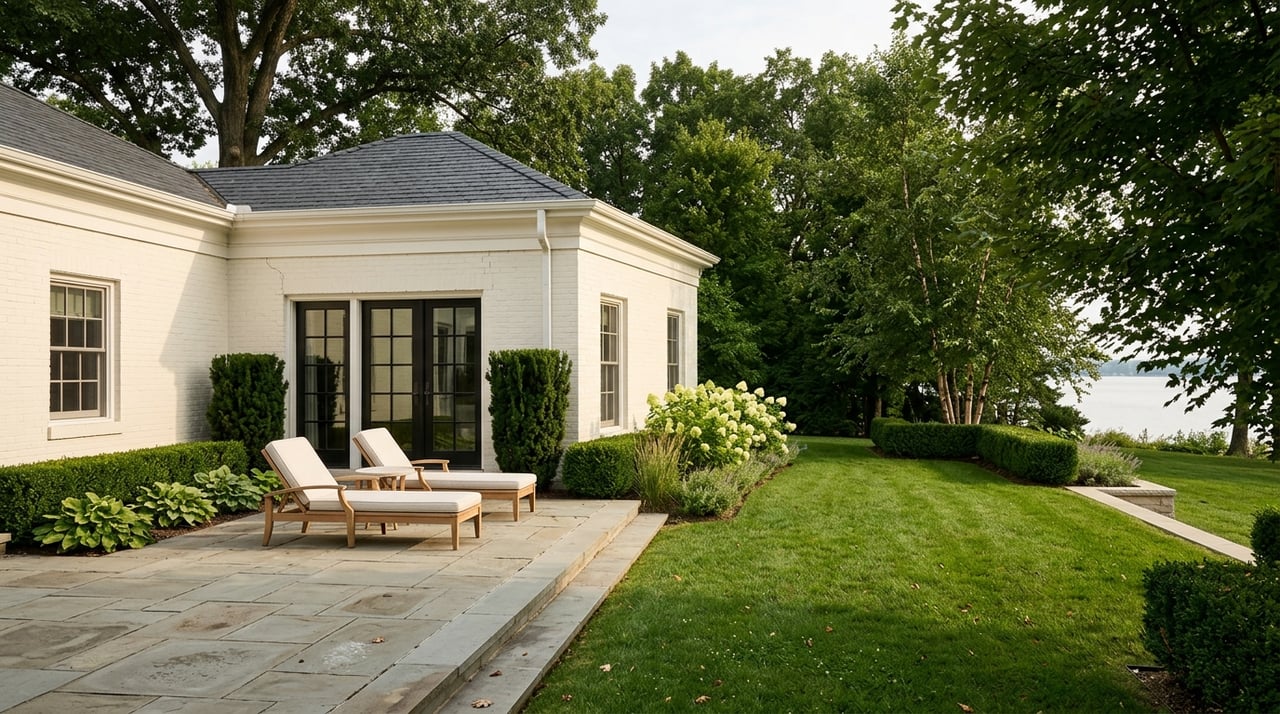
Lake Forest is known for its architecture, but what stands out is how present it feels in everyday life. The city’s built environment includes single-family residences dating back to 1846, along with former estates and landscape features from summer homes and gentlemen’s farms. These properties and places are not just historic notes. They help define the look and feel of the community today.
You see that identity in preserved facades, estate-scale grounds, and long-standing design patterns that still influence the streetscape. The result is a setting that feels established and carefully maintained. If you are drawn to communities with visual continuity and architectural character, Lake Forest offers that in a meaningful way.
Preservation Still Matters Here
Lake Forest’s Building Review Board materials state that the city encourages the reuse and renovation of existing structures. The review process covers demolition, new construction, additions, landscaping, and site plans with the goal of protecting neighborhood character. That tells you something important about daily life here.
In practical terms, the town places clear value on how homes and surroundings fit into the broader environment. For buyers and sellers, that can matter because the visual identity of the community is not left to chance. It is part of how Lake Forest protects its sense of place.
Market Square Anchors Village Life
Downtown Lake Forest centers on Market Square and the surrounding blocks. The city describes Market Square as an iconic Howard Van Doren Shaw design and the first planned shopping center in the United States. It is a historic detail, but it also helps explain why the area feels distinct.
The central business district includes boutique retail, restaurants, banks, real estate offices, City Hall, the Post Office, and the commuter train station. That mix supports a village-style experience where daily errands, dining, and gathering can happen in one walkable core. Instead of a commercial strip, the area functions more like a town center with staying power.
Outdoor Spaces Invite You To Linger
The downtown experience is not only about storefronts. The city’s planning materials point to outdoor places like the Greensward, Market Square courtyards, the Southgate dining patio, and the Lake Forest Bank and Trust Garden. These spaces give people room to sit, stroll, eat, and gather for community events.
Just south of Market Square, Deer Path Inn adds another historic layer to the district. The city highlights the hotel as part of the downtown experience, reinforcing the area’s sense of continuity and place. For someone thinking about a move, this is the kind of detail that helps a town feel lived-in rather than purely transactional.
Culture Is Built Into Daily Life
Lake Forest offers more than attractive homes and lake views. Its cultural institutions add depth to everyday living, especially if you value access to reading, arts, and community programming close to home. These places are part of the town’s regular rhythm.
The Lake Forest Library dates to 1898, and its current 1931 building is described by the library as an Art Deco landmark in a National Register Historic District. With its domed rotunda and wood-paneled rooms, the library presents a warm and inviting setting. It is both a useful civic space and a meaningful part of the town’s identity.
Gorton Center and Ragdale Add Creative Energy
Gorton Center began as a school built in 1901 before becoming a community center in 1974 and a nonprofit arts center in 2006. Today, it hosts live music, classes, and films. That range of programming supports a day-to-day lifestyle that can include local events without needing to leave town.
Ragdale adds another layer through its connection to an arts-residency tradition rooted in a Howard Van Doren Shaw estate from 1897. Together, these institutions reflect a community where architecture, history, and creativity overlap. For many residents, that contributes to a stronger sense of place.
Nature Preserves Expand Your Living Space
If outdoor access matters to you, Lake Forest offers more than its shoreline. Lake Forest Open Lands includes 1,100 acres across ten preserves and more than 20 miles of trails. Those preserves include woods, ravines, wetlands, prairies, streams, and lakeshore.
That variety supports year-round use and gives the town a broader natural framework beyond the beach. It also means your options for getting outside can shift with the season and your schedule. Some days that may look like a short trail walk. Other days, it may mean spending more time exploring a preserve.
The Outdoors Feels Close At Hand
One of the most appealing parts of Lake Forest is how accessible these natural spaces feel. The preserves and trails are not separate from daily life. They help shape it.
When you combine shoreline access, bluff-top views, ravines, and preserved open land, the town offers a layered outdoor experience. For buyers who want both beauty and usable green space, that balance can be a major advantage.
What Everyday Life May Feel Like
In Lake Forest, everyday life often centers on a blend of lakefront access, classic architecture, village-scale convenience, and preserved open space. You are not choosing only one defining feature. You are stepping into a place where those features work together.
That can mean starting the day with a walk near the water, running errands around Market Square, spending time in a library or arts venue, and ending with time outdoors again. While every household uses a town differently, Lake Forest stands out for how naturally those pieces connect.
Why Lifestyle Context Matters When You Move
When you are buying or selling in a market like Lake Forest, details beyond square footage matter. How a community feels day to day can influence not only your decision, but also how a property is positioned when it is time to sell. Lifestyle, setting, architecture, and access all help tell that story.
That is where local perspective becomes especially valuable. In a market known for design, privacy, and place, understanding the difference between a beautiful home and the right fit is important. The right guidance can help you evaluate both.
If you are exploring a move to Lake Forest or preparing to sell a home here, working with a team that understands North Shore lifestyle and presentation can make the process more strategic and more seamless. Connect with the Dawn McKenna Group to start the conversation.
FAQs
What is everyday life like in Lake Forest, Illinois?
- Everyday life in Lake Forest often blends lakefront access, historic architecture, a village-style downtown, cultural institutions, and preserved outdoor space.
What makes the Lake Forest lakefront stand out?
- The city says Lake Forest has more than three miles of shoreline, over a half-mile of public beach, lake views from Forest Park, and additional public access through preserved lakefront land and trails.
What is Market Square in Lake Forest known for?
- Market Square is known as an iconic Howard Van Doren Shaw design and, according to the city, the first planned shopping center in the United States.
Are there trails and nature preserves in Lake Forest?
- Yes. Lake Forest Open Lands includes 1,100 acres across ten preserves and more than 20 miles of trails through woods, ravines, wetlands, prairies, streams, and lakeshore.
What cultural attractions are part of Lake Forest daily life?
- Lake Forest’s everyday cultural landscape includes the Lake Forest Library, Gorton Center, and Ragdale, each contributing history, arts, and community programming.
Is Lake Forest a good fit for buyers who value architectural character?
- Lake Forest may appeal to buyers who value architectural character because the community includes residences dating to 1846, former estates, and a strong emphasis on preservation and design review.